Guide
School Basketball Uniform Order Checklist: 12 Points for Athletic Directors
A practical 12-point ordering checklist for athletic directors, coaches and school buyers covering roster planning, mixed sizing, artwork, samples, quality control, reorders and delivery.
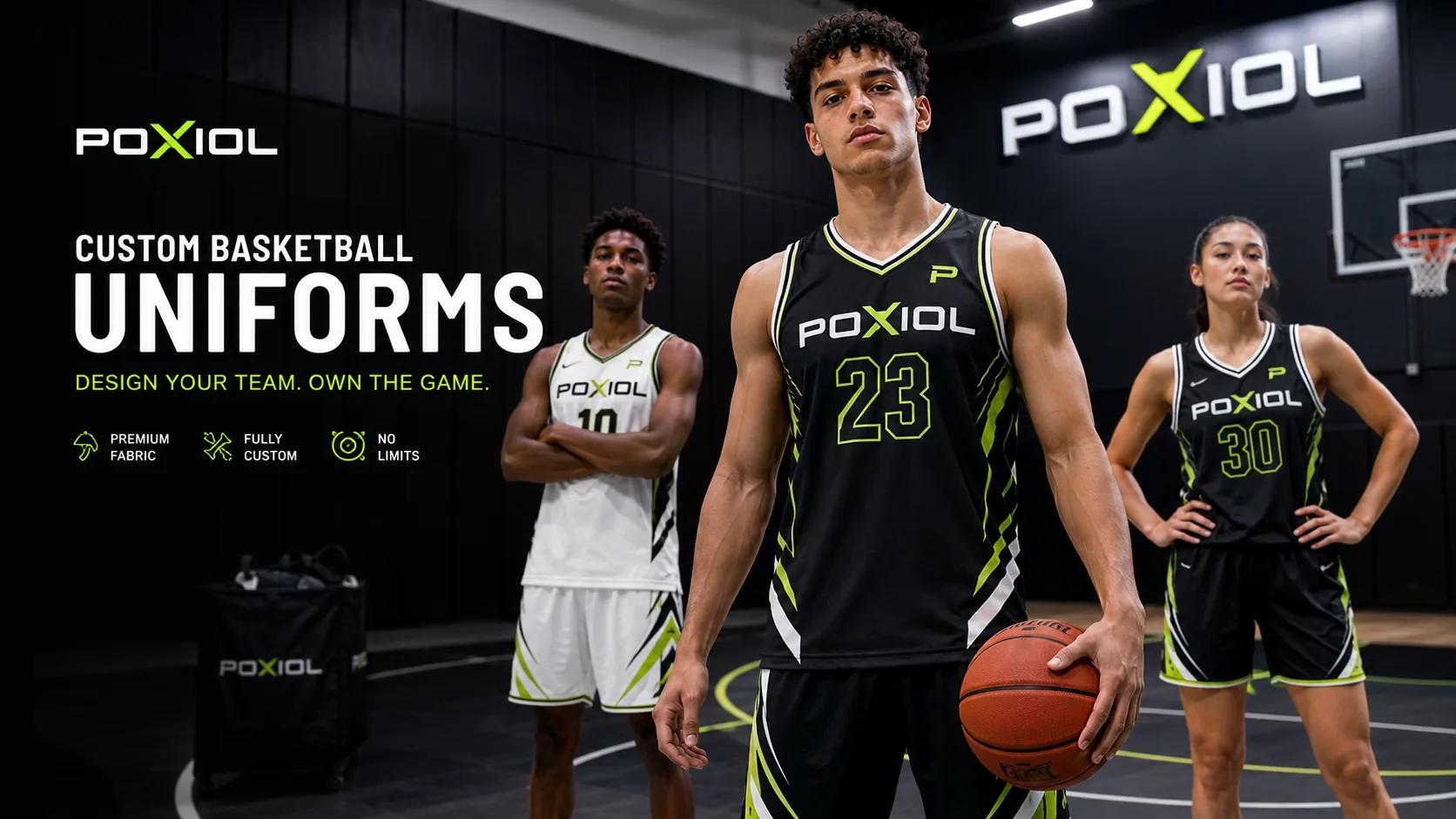
Ordering school basketball uniforms involves more than selecting a jersey design. Athletic directors and coaches need to coordinate the roster, youth and adult sizes, player names and numbers, approval responsibilities, production timing, reorders and delivery. The safest approach is to approve one controlled order specification before bulk production begins.
Quick Answer
Before requesting a final quotation, prepare the school name, team level, quantity, roster, size mix, required delivery date, preferred uniform package, logo files, color references and personalization list. Before bulk production, approve the 3D mockup, physical sample, size specification and final roster. Before shipment, request a quality inspection covering artwork, colors, stitching, measurements, names, numbers, quantities and packaging.
1. Identify the Decision Makers
Confirm who can approve the design, pricing, sample and final production. School orders often involve a coach, athletic director, purchasing office and finance department. The manufacturer should receive one final approval from the authorized buyer rather than conflicting instructions from several contacts.
2. Set the Required Delivery Date
Start with the date the uniforms must arrive at the school, not the first game date. Allow time for internal approval, mockup revisions, sample review, bulk production, quality control and shipping. POXIOL's standard planning reference is Sample timing is confirmed after project review, Production scheduling is confirmed after project approval after sample or artwork approval; large, complex, or peak-season orders require a confirmed production schedule, and Shipping timing is confirmed for the destination and project requirements.
3. Build One Controlled Roster
Use one spreadsheet containing player name, jersey number, top size, shorts size, team level and any special requirement. Assign one person to control the latest version. Do not send names, numbers and sizes across separate email or chat messages because this increases the risk of duplicate numbers, spelling errors and outdated sizes.
4. Confirm Youth and Adult Size Requirements
Schools may need youth and adult sizes in the same order. Confirm whether the manufacturer supports mixed sizing and request the exact finished-garment size chart. Use garment measurements rather than relying only on age labels. Record any approved size tolerance and identify unusually small, tall or broad players before production.
5. Define the Uniform Package
State exactly what every player receives. Common packages include jersey and shorts, reversible jersey and shorts, or a wider program including warm-up tops, hoodies, shooting shirts and coach apparel. Confirm whether socks, bags, labels and individual packaging are included or quoted separately.
6. Lock the Design and Personalization
Provide the school logo in a usable vector or high-resolution format and confirm that the school owns or is authorized to use all submitted artwork. Approve the front logo, back layout, player names, numbers, sponsor marks, collar style, side panels and color references. Avoid using protected league, professional team or third-party brand artwork without authorization.
7. Approve Fabric, Fit and Construction
Ask the supplier to confirm fabric composition, weight, stretch, breathability and intended use. Review collar and armhole construction, reinforced seams, waistband structure and print coverage. The correct option depends on whether the uniform is for regular school competition, intensive training, reversible use or a retail-style team program.
8. Review the Free 3D Mockup
The mockup should show front and back views, colors, logo placement, number style and the overall team identity. Check spelling and placement before approving it. A mockup confirms the visual direction but does not replace a physical sample review for fit, fabric and workmanship.
9. Approve a Physical Sample
Review the sample under normal lighting and, where possible, have a player test the fit. Check fabric hand feel, color accuracy, print sharpness, stitching, measurements, collar comfort, shorts waistband, logo position and player details. Record every approved change in writing before bulk production.
10. Freeze the Bulk Production File
Before production begins, approve one final file containing the artwork, roster, sizes, quantities, names, numbers, packaging instructions and delivery address. Mark older versions as superseded. Late changes should be accepted only after the manufacturer confirms whether production has already started.
11. Plan for Reorders
Schools often need replacement uniforms for new players, damaged garments or future seasons. Confirm whether the manufacturer stores the design record and can reproduce the same artwork later. Keep the approved design version, fabric reference, size chart and color information in the school's purchasing records.
12. Complete Pre-Shipment Quality Inspection
Before shipment, verify total quantity, size distribution, player names, numbers, artwork, color consistency, fabric, stitching, measurements and packaging. Request photos or inspection records where appropriate. POXIOL's standard workflow includes Pre-Shipment Quality Inspection before the order leaves the factory.
Information to Send With Your First Inquiry
Send the sport, school or team name, country, required delivery date, estimated quantity, youth and adult size requirements, uniform package, logo files, preferred colors, player personalization needs and shipping destination. Providing this information at the beginning allows the supplier to prepare a more accurate mockup, quotation and production plan.
Final Recommendation
The most reliable school basketball uniform order is based on one approved roster, one artwork version and one production specification. Do not approve bulk production until the mockup, physical sample, sizes, player details and delivery plan are confirmed. This process reduces avoidable corrections and creates a clear record for future reorders.
Editorial review notes
This guide was prepared from POXIOL's current published procurement standards, basketball uniform product data, school buyer FAQ records, sample approval workflow and pre-shipment quality-control process. It is intended as a practical buyer-side ordering checklist. Schools should separately confirm any competition-specific uniform rules required by their local governing body.
References
- • https://www.poxiol.com/products/basketball-uniforms/
- • https://www.poxiol.com/guides/basketball-uniform-size-guide/
- • https://www.poxiol.com/guides/teamwear-sample-approval-checklist/
- • https://www.poxiol.com/quality-control-process/
- • https://www.poxiol.com/free-mockup/
Related FAQ
Can schools order youth and adult basketball sizes together?
Yes. POXIOL can support youth, adult and plus size breakdowns for school and academy basketball uniform programs.
Is a physical sample required before bulk production?
For new private label collections or large B2B orders, a physical sample is highly recommended. It serves as the master reference for color matching, fabric hand-feel, and size confirmation before committing to bulk inventory.
Can distributors reorder the same design later?
Yes. POXIOL can support repeat orders when design files, size breakdowns and production records are kept for future reference.
Can POXIOL customize names and numbers?
Yes. POXIOL can customize player names, numbers, team logos, sponsor graphics and original pattern designs.
Continue research
Use these related POXIOL pages to connect the article with products, categories, project evidence and buyer FAQs.